In today’s industrial construction landscape, you can’t always predict what’s going to happen.
Steel lead times are unpredictable. Global market pressures shift overnight. Bottlenecks, shortages, pricing volatility, and more can cause major delays.
In an environment like that, operational know-how alone isn’t enough. And often, the difference between a project that runs smoothly and one that struggles comes down to one thing: strategic supply chain thinking.
At MMI Industrial & Steel, we tie this mindset into one of our core values: being honorable.
Honorable Builders Plan Ahead
Being honorable means we operate with integrity, transparency, and responsibility—especially when decisions are made long before fabrication begins.
Thinking like a supply chain strategist allows us to plan ahead in ways that protect stakeholder investments and honor our clients’ trust. We do this by:
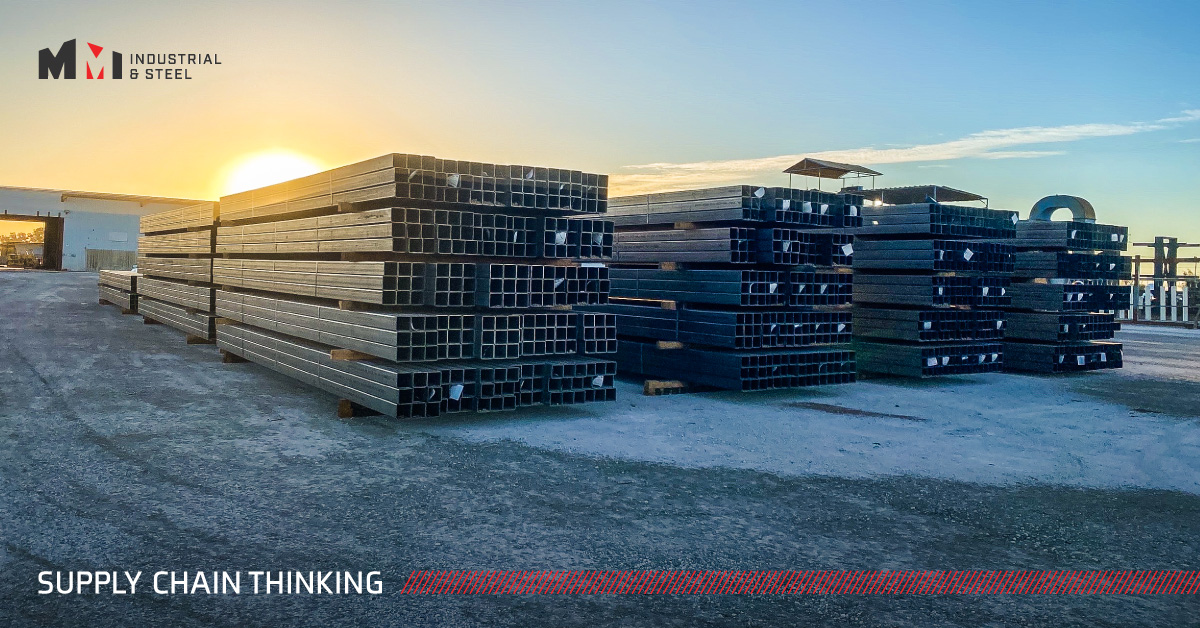
Forecasting steel availability early
Steel markets are dynamic. But rather than reacting to these changes as they come, we work to anticipate them.
Strategic forecasting enables us to communicate realistic lead times, identify potential bottlenecks, and help owners make informed decisions before those decisions become urgent (or costly).
Sharing accurate timelines instead of optimistic guesses
It’s easy to promise an aggressive schedule at the beginning of a project. But it’s more honorable to present timelines that are grounded in data, supplier insight, and real-world constraints.
Our responsible approach to planning protects our clients from surprise delays and budget impacts, while building lasting trust.
Coordinating proactively between our project teams and our inhouse fabrication shop
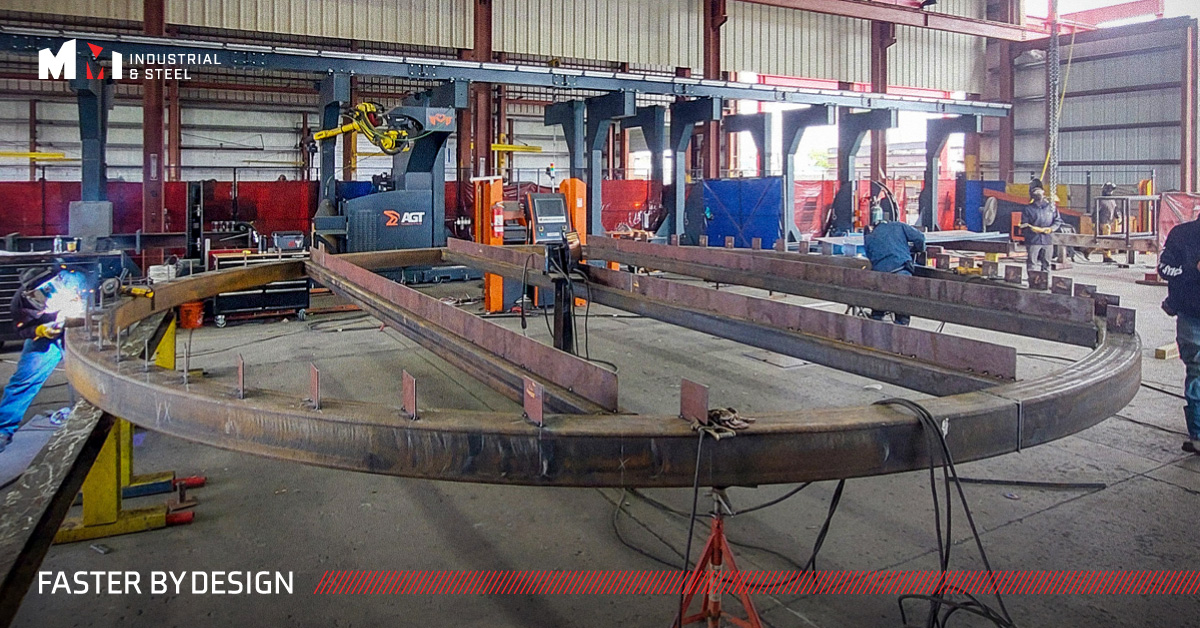
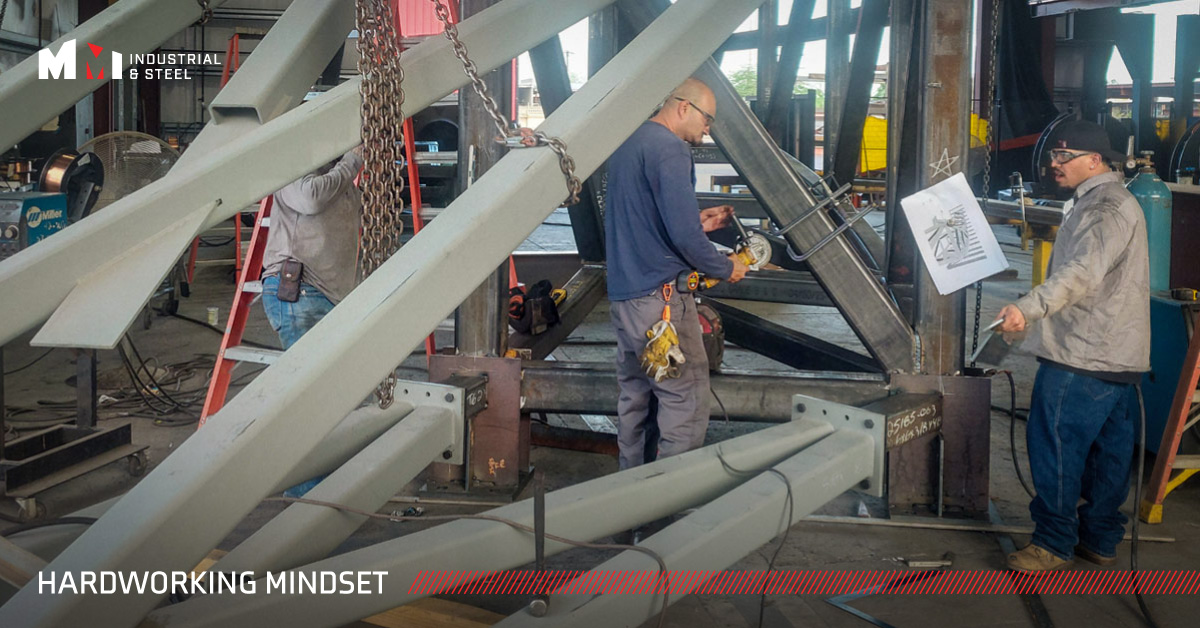
Because MMI fabricates our own steel, coordination among design, detailing, procurement, and shop scheduling is critical—and the sooner that coordination happens, the better.
By strategically sequencing fabrication slots, securing material at the right time, and planning around shop capacity, we ensure that steel is ready when the project needs it—not weeks later.
This proactive internal alignment reflects our commitment to deliver on schedule.
Thinking Like a Supply Chain Strategist Minimizes Delays
When builders view the jobsite as the end of the supply chain—not the beginning—everything changes:
- Steel becomes a critical-path asset rather than a mere commodity.
- Scheduling revolves around when steel can realistically be delivered, not when we “hope” it might arrive.
- Procurement becomes a strategy, not a task.
- Rather than waiting for final drawings, we plan for long-lead materials as soon as project intent is clear.
- Communication becomes proactive instead of reactive, so clients hear about market changes before they feel their effects.
This approach does more than avoid delays. It demonstrates responsibility, professionalism, and an honorable commitment to do what’s right—not what’s easy in the moment.
Protecting Client Projects Is an Honorable Act
At its core, supply chain thinking is about stewardship. It’s about respecting our clients’ investments, timelines, and trust.
Our Human Resources Manager, Nelly Schlack, put it so well:
“Honor at MMI is not a slogan — it’s a way of showing up for each other and for our clients. It’s community, consistency, and the courage to choose what’s right, even when it’s inconvenient. Being honorable means owning tough decisions, supporting teammates with conviction, and keeping our word long after the easy option has passed.”
This mindset is exactly why industrial builders must think like supply chain strategists. When we anticipate steel lead times, plan fabrication schedules intelligently, or communicate early about potential delays, we’re not just executing a project. We’re taking responsibility for more than ourselves. We’re working to ensure that our clients, partners, and teams can rely on us when conditions get challenging.
Because being an honorable builder isn’t just about how we act on the jobsite.
It’s about how we plan, communicate, and steward every project from day one.
TSMC: A Real Example of Honorable, Supply-Chain Driven Execution
Casey Lund, Director of High-Tech, explains:
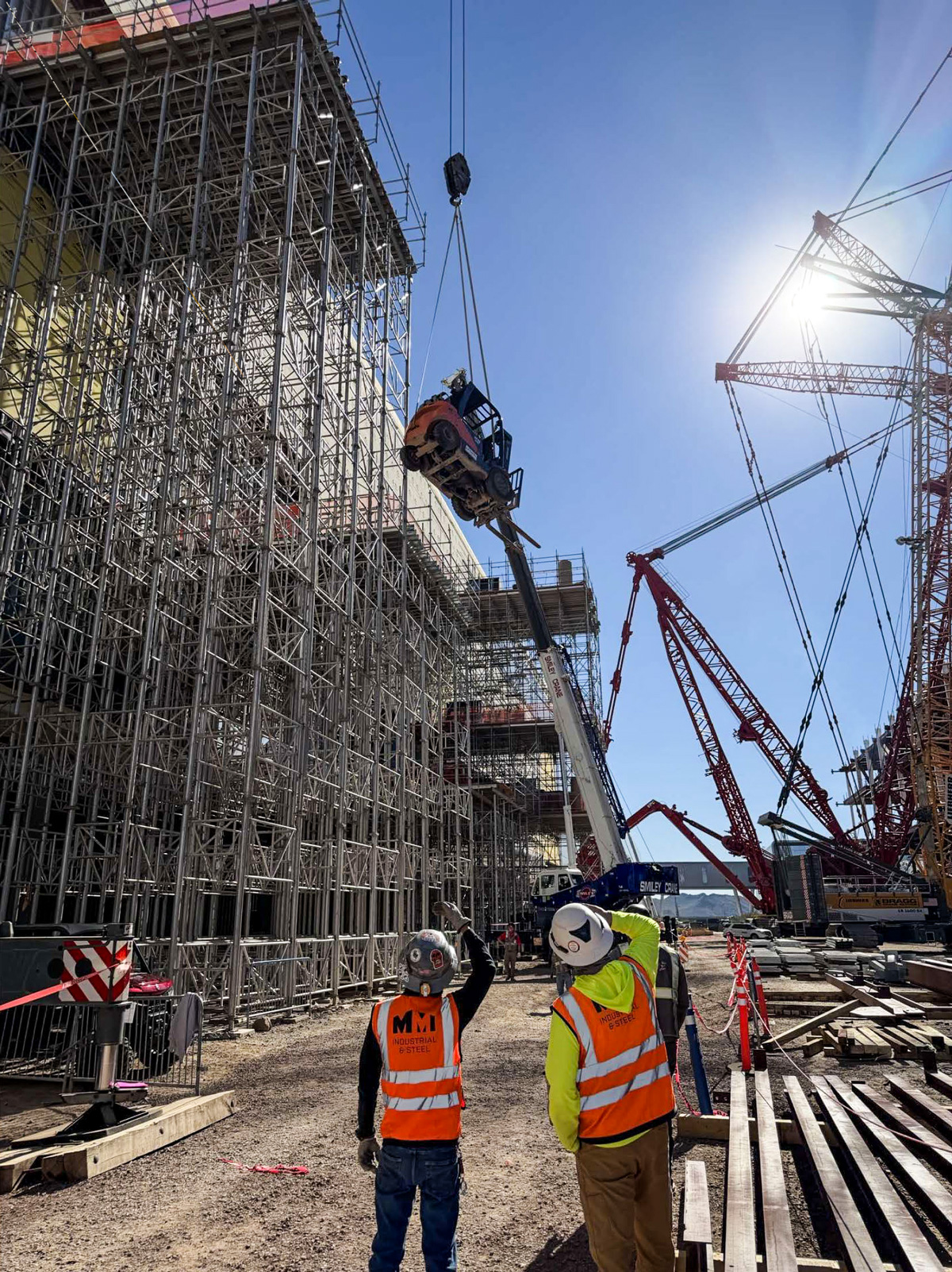
“MMI is supporting multiple scopes and partners across the site involving our fabrication shops and our crews in the field. Our inhouse fabrication shops are sequencing steel production in a way that aligns with real-world availability, fluctuating market lead times, and rapidly evolving installation needs.”
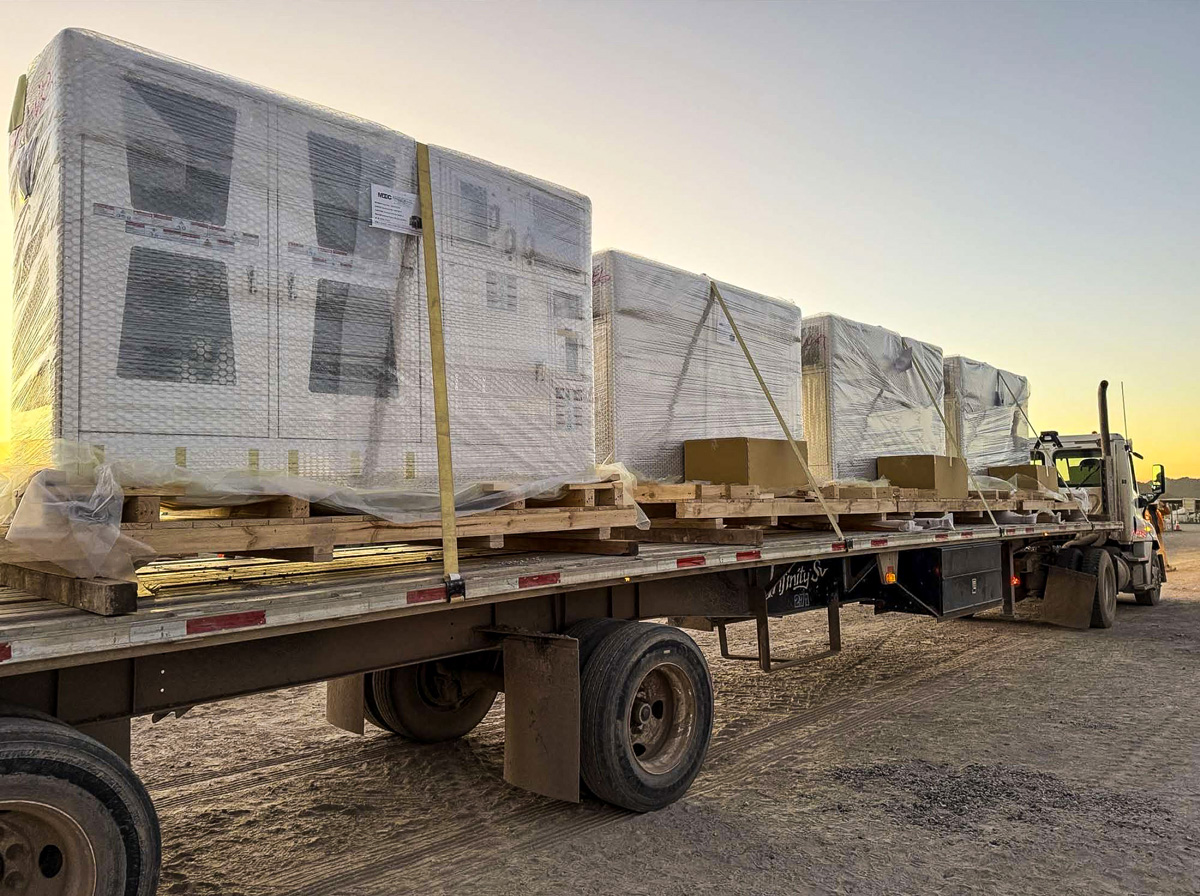
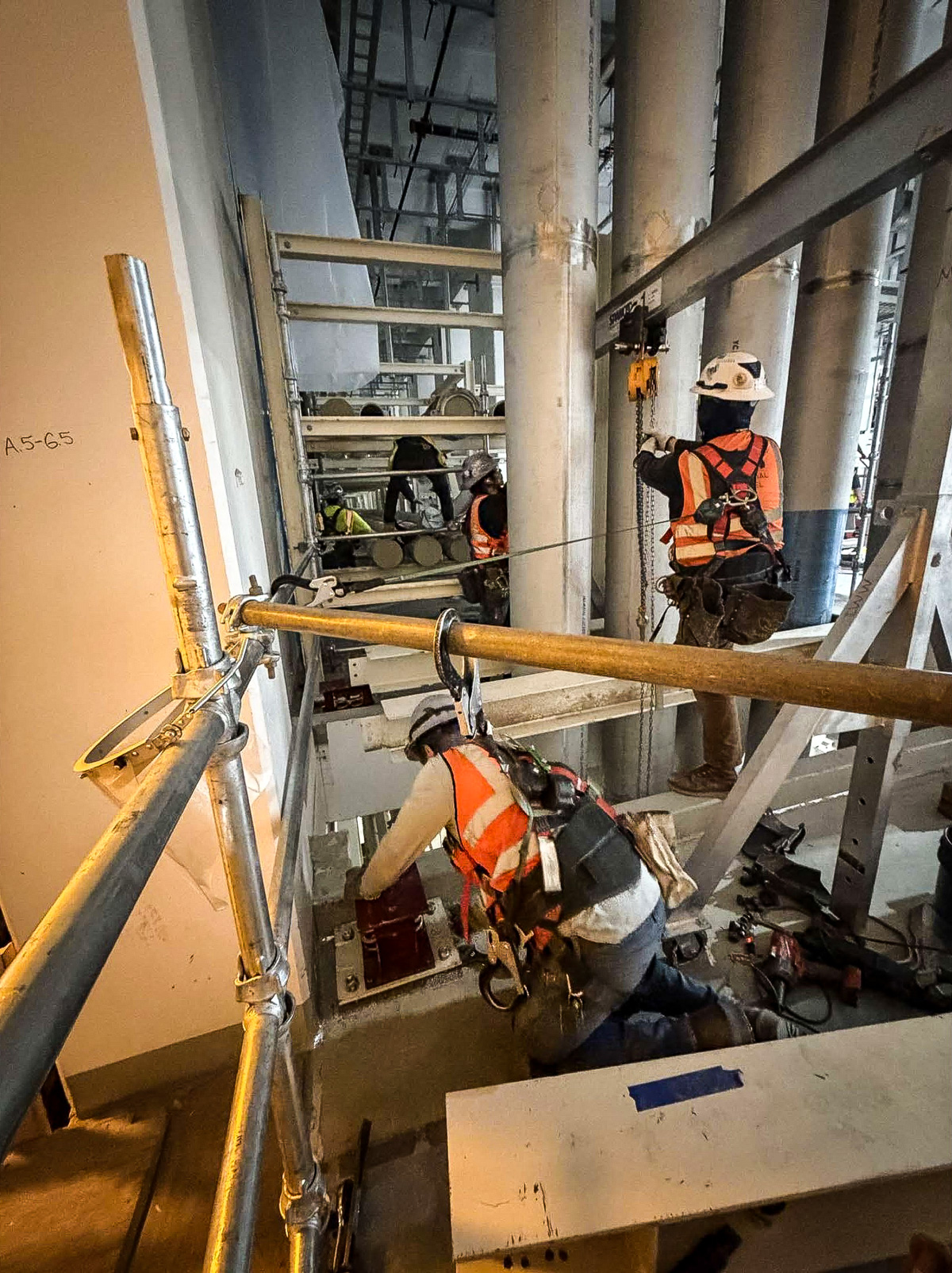
Nowhere is this clearer than in MMI’s work at TSMC, where more than 150 team members are installing cabinets, pumps, skids, and tanks across multiple projects, under four general contractors.
This level of coordination isn’t good luck—it’s the result of supply-chain-minded planning, early communication, and a pack-first mentality that ensures every partner, every scope, and every timeline stays aligned.
Honor is not just a value. It’s a strategy.
Honor shows up when:
- We plan fabrication around realistic steel availability
- We communicate proactively instead of reactively
- We protect client schedules through coordinated internal planning
- We accept responsibility for more than our piece of the work
Thinking like a strategist isn’t optional for industrial builders. It’s how we keep our commitments, strengthen trust, and protect our people, our partners, and our projects from market volatility.
In short, it’s the honorable thing to do, because it’s what our clients need. This is how we not only survive the storm, but rise together—because we were ready for it.
Planning a complex industrial project? Partner with a builder who thinks beyond the jobsite. Contact MMI Industrial & Steel today to discuss how strategic, supply-chain driven planning can protect your timeline and get you the results you’re looking for.